Architectural Exterior Rendering Insights: A Complete Guide

Architectural exterior rendering is a powerful tool that transforms blueprints and sketches into vivid, realistic images. These renderings help visualize a building’s exterior before construction begins. They provide clarity, reduce misunderstandings, and improve communication among all stakeholders. In this guide, I will walk you through everything you need to know about exterior rendering insights, from basics to practical applications.
Understanding Exterior Rendering Insights
Exterior rendering insights reveal how a building will look in its environment. These insights help architects, engineers, and contractors make informed decisions early in the design process. They allow you to see how materials, lighting, and landscaping interact with the structure. This foresight can save time and money by identifying potential issues before construction.
For example, a rendering might show how sunlight hits a facade at different times of day. This can influence window placement or shading devices. It also helps in selecting exterior finishes that complement the surroundings. Exterior rendering insights are essential for presenting projects to clients and regulatory bodies, making approvals smoother.
What is an Exterior Rendering?
An exterior rendering is a digital or hand-drawn image that represents the outside of a building. It shows architectural details, textures, colors, and context. These renderings can be static images or interactive 3D models. They range from simple sketches to photorealistic visuals.
The purpose of an exterior rendering is to communicate design intent clearly. It bridges the gap between technical drawings and real-world expectations. For instance, a rendering can illustrate how a new building fits into an existing neighborhood. It can also highlight landscaping, lighting, and pedestrian pathways.
Exterior renderings are created using specialized software like AutoCAD, SketchUp, or 3ds Max. These tools allow precise control over every element, from shadows to reflections. The result is a compelling visual that supports decision-making and marketing efforts.

Key Benefits of Architectural Exterior Rendering
Using architectural exterior rendering offers several advantages:
Improved Communication: Renderings provide a clear visual language that everyone can understand. This reduces misinterpretations between architects, clients, and contractors.
Design Validation: You can test different design options quickly. For example, changing facade materials or roof shapes becomes easier and less costly.
Marketing and Presentation: High-quality renderings attract investors and buyers. They help showcase the project’s potential in brochures, websites, and presentations.
Regulatory Approvals: Many planning authorities require visualizations to assess the impact on the environment and community.
Cost Efficiency: Identifying design flaws early prevents expensive changes during construction.
By integrating these benefits, projects run more smoothly and meet expectations more consistently.
Essential Elements in Exterior Rendering
To create effective exterior renderings, focus on these elements:
Lighting and Shadows
Accurate lighting simulates natural conditions. It highlights textures and shapes, adding depth and realism. Consider the time of day and season for precise shadow casting.
Materials and Textures
Use high-quality textures to represent brick, wood, glass, or metal. Realistic materials help clients visualize the final look and feel.
Context and Environment
Include surrounding buildings, trees, streets, and sky. This situates the project within its real-world setting and shows scale.
Perspective and Camera Angles
Choose angles that best showcase the design. Eye-level views are common for human perspective, while aerial views provide overall site context.
Details and Landscaping
Add elements like plants, furniture, and lighting fixtures. These details enhance realism and convey the intended atmosphere.
Paying attention to these components ensures your renderings are both accurate and engaging.
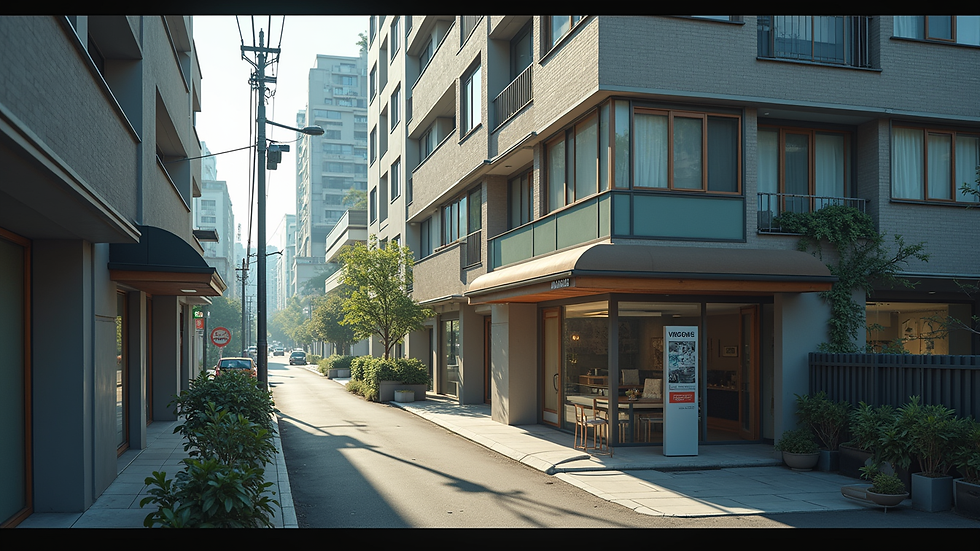
Practical Tips for Creating Effective Exterior Renderings
Creating top-notch exterior renderings requires skill and planning. Here are some actionable tips:
Start with Accurate CAD Drawings
Precise base drawings are crucial. They form the foundation for all rendering work. Ensure dimensions and details are correct.
Use Layered Workflow
Build your rendering in layers: structure, materials, lighting, and environment. This approach allows easy adjustments.
Optimize Render Settings
Balance quality and speed. High-resolution images look great but take longer to produce. Use test renders to find the best settings.
Incorporate Feedback Early
Share drafts with your team and clients. Early feedback helps refine the design and avoid costly revisions.
Leverage Software Features
Use tools like material libraries, lighting presets, and camera controls. These features speed up the process and improve results.
Stay Updated on Trends
Keep an eye on architectural and rendering trends. Modern styles and techniques can make your presentations stand out.
Following these tips will help you deliver precise and compelling exterior renderings every time.
Why Choose Professional Rendering Services?
Outsourcing to professional rendering services can elevate your project. Experts bring experience, advanced tools, and creative insight. They understand how to highlight your design’s strengths and address challenges.
Professional services also offer fast turnaround times. This is critical when working on tight schedules. They can produce multiple iterations quickly, allowing you to explore options without delay.
Moreover, professional renderers ensure consistency across all visuals. This uniformity strengthens your project’s branding and presentation quality.
If you want to ensure your project benefits from the best possible visuals, consider partnering with a trusted rendering provider. They can help you achieve your goals with precision and efficiency.
Final Thoughts on Exterior Rendering Insights
Mastering exterior rendering insights is essential for successful architectural projects. These renderings provide clarity, improve communication, and support decision-making. They help visualize the final product in its real environment, reducing surprises during construction.
Remember to focus on lighting, materials, context, and details. Use accurate CAD drawings and leverage software tools effectively. Whether you create renderings in-house or outsource, prioritize quality and clarity.
For those seeking reliable and fast CAD drafting and as-built drawing services, partnering with a skilled team can make all the difference. With the right support, your projects will proceed smoothly and precisely.
Explore how architectural exterior rendering can transform your design process and bring your visions to life.


Comments