The Importance of Floor Layout Blueprints
- MDzyne

- Apr 27
- 3 min read
Floor layout blueprints are the backbone of any successful construction or renovation project. They provide a clear, detailed map of a building’s design, guiding every step from initial planning to final execution. Without precise blueprints, projects risk delays, cost overruns, and structural issues. I have seen firsthand how accurate floor layout blueprints streamline communication and ensure every stakeholder is on the same page.
Why Floor Layout Blueprints Matter
Floor layout blueprints are more than just drawings. They are comprehensive guides that show the exact dimensions, room placements, and structural elements of a building. These blueprints allow architects, engineers, and contractors to visualize the project clearly before breaking ground. They help identify potential problems early, saving time and money.
For example, a well-drafted blueprint can reveal if a load-bearing wall is incorrectly placed or if plumbing routes clash with electrical wiring. This foresight prevents costly rework. Additionally, floor layout blueprints serve as legal documents for permits and inspections, ensuring compliance with building codes.

How Floor Layout Blueprints Enhance Project Efficiency
Using floor layout blueprints improves project efficiency in several ways:
Clear Communication: Blueprints provide a universal language for all parties involved. Everyone understands the design intent, reducing misunderstandings.
Accurate Cost Estimation: Detailed plans allow for precise material and labor estimates, preventing budget surprises.
Streamlined Scheduling: Knowing the exact scope and sequence of work helps create realistic timelines.
Quality Control: Blueprints set standards for workmanship and materials, ensuring the final build matches the design.
In my experience, projects with thorough floor layout blueprints move faster and face fewer obstacles. They allow teams to anticipate challenges and coordinate efforts effectively.
Key Elements of Effective Floor Layout Blueprints
A high-quality floor layout blueprint includes several critical components:
Scale and Dimensions: Accurate measurements are essential. The blueprint must be to scale, showing room sizes, wall thicknesses, and ceiling heights.
Room Labels and Functions: Each space should be clearly identified with its intended use, such as kitchen, office, or bathroom.
Structural Details: Locations of load-bearing walls, columns, beams, and foundations must be specified.
Mechanical, Electrical, and Plumbing (MEP) Layouts: Integration of HVAC, electrical outlets, lighting, and plumbing fixtures is crucial.
Doors and Windows: Placement, size, and swing direction of doors and windows affect flow and natural light.
Materials and Finishes: Notes on flooring, wall finishes, and ceiling types guide contractors on material choices.
Including these elements ensures the blueprint is a comprehensive guide that covers all aspects of the build.
The Role of Technology in Creating Floor Layout Blueprints
Modern technology has revolutionized how floor layout blueprints are created and used. Computer-Aided Design (CAD) software allows for precise, editable, and shareable plans. These digital blueprints can be easily updated to reflect design changes, improving flexibility.
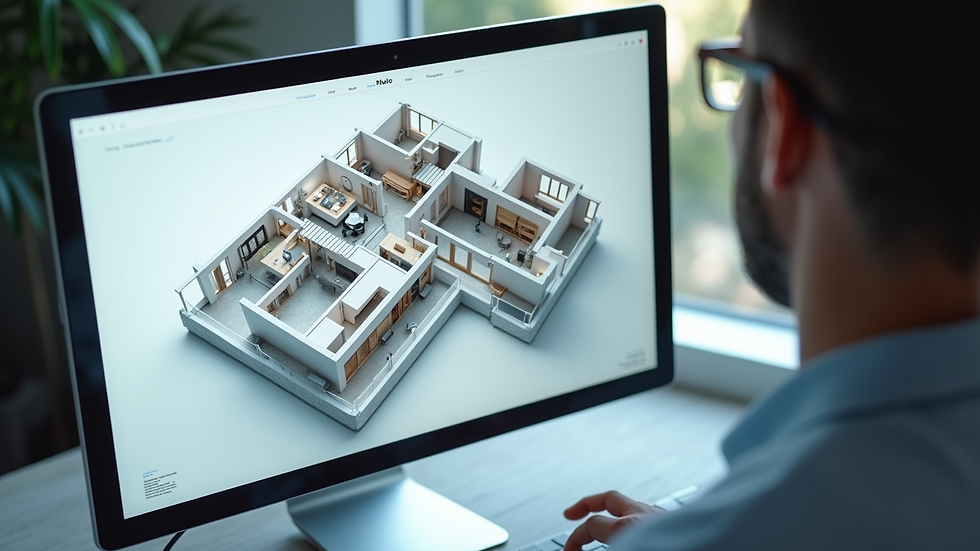
3D modeling tools provide immersive views of the layout, helping stakeholders visualize the space better than traditional 2D drawings. This reduces guesswork and enhances decision-making.
Additionally, cloud-based platforms enable real-time collaboration among architects, engineers, and contractors, regardless of location. This connectivity speeds up approvals and revisions, keeping projects on track.
Best Practices for Using Floor Layout Blueprints
To maximize the benefits of floor layout blueprints, follow these best practices:
Start Early: Develop detailed blueprints before construction begins to avoid costly changes later.
Maintain Accuracy: Double-check measurements and details to ensure precision.
Update Regularly: Reflect any design changes promptly in the blueprints.
Use Professional Services: Rely on experienced CAD drafting and as-built drawing services for accuracy and speed.
Communicate Clearly: Share blueprints with all stakeholders and encourage feedback.
Keep Copies Accessible: Ensure that updated blueprints are available on-site for reference.
By adhering to these practices, projects run smoothly and meet quality standards.
Why Choosing the Right Drafting Service Matters
Selecting a reliable drafting service is critical. Accurate and fast CAD drafting and as-built drawing services help architects, engineers, and contractors get their projects done smoothly and precisely. A top-tier service understands the importance of detail and timeliness. They provide clear, error-free blueprints that reduce risk and improve coordination.
When I work with drafting professionals who prioritize accuracy and speed, the entire project benefits. Deadlines are met, budgets stay intact, and the final build matches the vision perfectly.
Building Success with Floor Layout Blueprints
Floor layout blueprints are indispensable tools that shape the success of any construction or renovation project. They provide clarity, reduce risk, and enhance collaboration. Investing time and resources into creating and maintaining accurate blueprints pays off with smoother workflows and better outcomes.
For those seeking precision and efficiency, partnering with expert drafting services is a smart move. The right blueprints empower teams to build confidently and deliver exceptional results.
Floor layout blueprints are not just drawings - they are the foundation of every successful build.


Comments