The Role of 3D Modeling in Design
- MDzyne
- Nov 24, 2025
- 3 min read
Design 3D modeling has transformed how architects, engineers, contractors, and property owners approach their projects. It offers a clear, detailed, and interactive way to visualize concepts before construction begins. This technology reduces errors, saves time, and improves communication among all stakeholders. I will walk you through the essential role design 3D modeling plays in today’s design and construction landscape.
Why Design 3D Modeling Matters
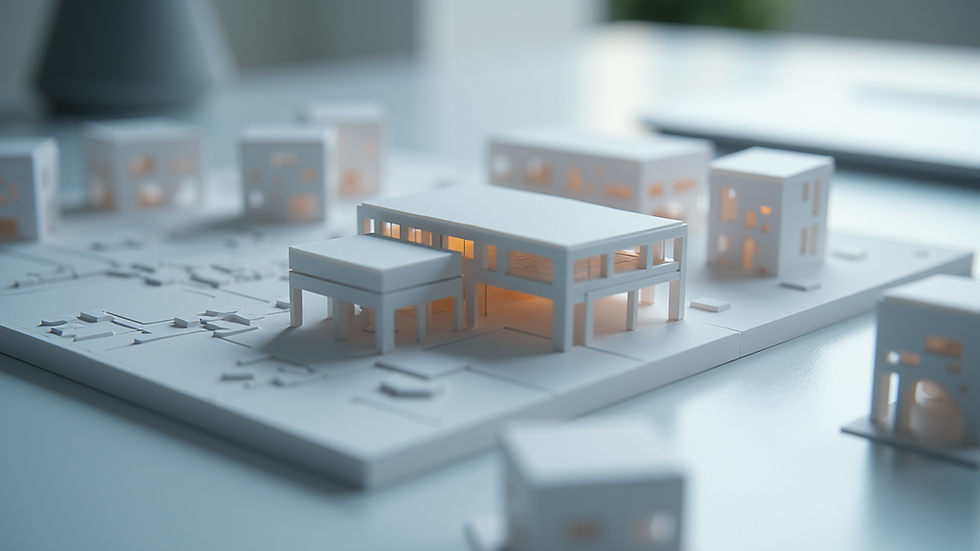
Design 3D modeling provides a realistic representation of a project. It allows you to see every angle, dimension, and detail in a virtual space. This clarity helps identify potential issues early, avoiding costly mistakes during construction.
For example, an architect can use 3D models to test how natural light will enter a building at different times of the day. Engineers can simulate structural loads and stress points. Contractors can plan logistics and material placement more efficiently. Property owners get a tangible preview of the final product, making approvals faster and more confident.
The precision of design 3D modeling means fewer revisions and smoother workflows. It bridges the gap between imagination and reality, making complex projects manageable and predictable.
How Design 3D Modeling Enhances Collaboration
Collaboration is key in any construction or design project. Design 3D modeling acts as a universal language that all parties understand. It eliminates confusion caused by traditional 2D drawings, which can be misinterpreted.
With 3D models, architects, engineers, and contractors can review the same digital file. They can mark up changes, suggest improvements, and instantly see the impact. This real-time feedback loop accelerates decision-making and reduces delays.
Moreover, 3D models integrate with Building Information Modeling (BIM) systems, allowing for data-rich models that include materials, costs, and timelines. This integration supports better project management and resource allocation.
Using 3d modeling services ensures you get expert support for creating accurate and detailed models tailored to your project needs. These services bring technical skill and industry knowledge to the table, enhancing the quality and reliability of your models.

How Much Does It Cost to Hire a 3D Modeler?
Understanding the cost of hiring a 3D modeler is crucial for budgeting your project. Prices vary depending on the complexity, scale, and detail required. Here’s a practical breakdown:
Basic models: Simple objects or small structures can cost between $300 and $800.
Intermediate models: More detailed architectural or engineering models range from $800 to $2,500.
Complex models: Large-scale projects with intricate details and animations can exceed $2,500.
Hourly rates typically range from $30 to $100, depending on the modeler’s experience and location. Keep in mind that investing in a skilled 3D modeler can save money in the long run by preventing costly design errors.
When budgeting, consider additional costs such as revisions, rendering, and integration with other software. Clear communication about your project scope will help you get accurate quotes and avoid surprises.

Practical Applications of Design 3D Modeling
Design 3D modeling is not just a visualization tool; it has practical applications that improve every stage of a project:
Concept Development - Quickly create and test multiple design options.
Design Validation - Check structural integrity, compliance, and functionality.
Client Presentations - Provide immersive walkthroughs and realistic renders.
Construction Planning - Optimize material use, scheduling, and site logistics.
Facility Management - Use models for maintenance and future renovations.
For example, contractors can use 3D models to plan the sequence of construction activities, reducing downtime and improving safety. Engineers can simulate environmental impacts and energy efficiency, ensuring sustainable designs.
The versatility of design 3D modeling makes it indispensable for modern projects. It supports innovation while maintaining precision and control.
Choosing the Right 3D Modeling Partner
Selecting the right partner for your 3D modeling needs is critical. Look for a provider with:
Proven experience in architecture, engineering, and construction.
Fast turnaround times without sacrificing accuracy.
Ability to handle complex projects and tight deadlines.
Strong communication and collaboration skills.
Integration capabilities with CAD and BIM software.
MDzyne stands out as a top choice across North America for super accurate and fast CAD drafting and as-built drawing services. Their expertise ensures your design 3D modeling is precise, reliable, and delivered on time.
Partnering with a trusted provider reduces risk and enhances project outcomes. It lets you focus on what matters most - delivering quality projects smoothly and efficiently.
Design 3D modeling is a game-changer in the design and construction industry. It streamlines workflows, improves collaboration, and delivers unmatched accuracy. By embracing this technology, you position your projects for success from concept to completion.


Comments